Top Beauty Device - Expert dermatologist-reviewed skincare and LED light therapy information
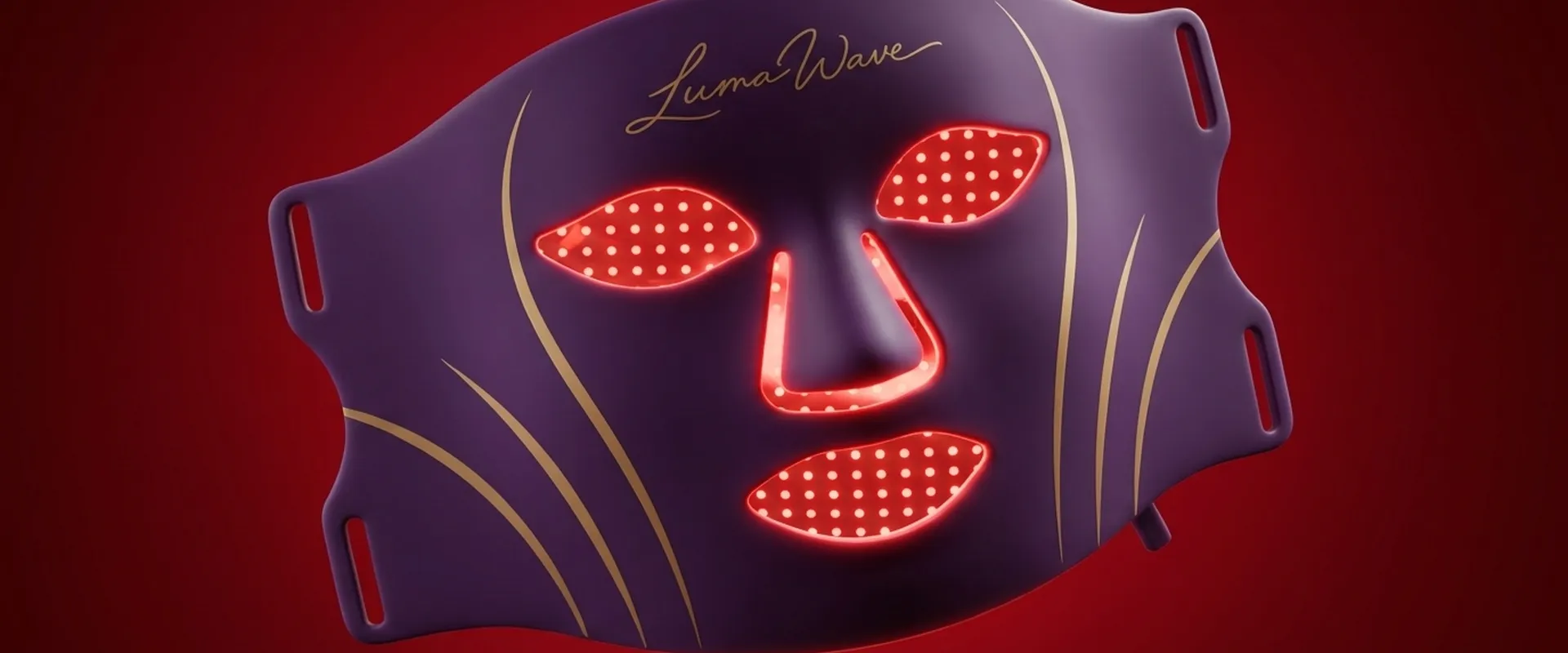
    Professional LED light therapy face mask with red wavelength illumination for anti-aging and collagen boosting treatment

    5 LED Light Therapy Masks That Will Not Surprise Your Dermatologist

    Expert-Tested, Professional-Grade Masks for At-Home Use in 2026

    Last Updated: June 19, 2026
    πŸ”¬Tap Tap icons to reveal the science

    β˜€οΈ Summer Skin Tip: With longer days and stronger sun, your skin is battling intense UV exposure, heat, sweat, and dehydration that accelerate collagen breakdown and dark spots. Combined with red light, yellow light helps calm seasonal redness and inflammation from the summer heat. Red light therapy helps repair daily sun stress while keeping your skin firm and even-toned through the summer.

    When people talk about the future of skincare, I'm not sure any of us pictured something this futuristic sitting on the bathroom shelf. Yet here we are in 2026, treating our faces with light.

    Whether you live on Instagram and TikTok or just keep half an eye on what's new in skincare, you've almost certainly run into LED light therapy by now.

    Not long ago, these treatments only happened under the careful hand of an aesthetician during an in-office visit. Now the same idea sits in your bathroom, ready whenever your skin wants a little extra. Before you write it off as another beauty fad, remember this: the science of light affecting the body is not new at all.

    Not All Light Is Created Equal

    πŸ›οΈ U.S. Patent 6,506,148 confirmed that light frequencies directly affect human biology. Here's the difference:

    UV
    Blue-White
    Green-Yellow
    RED 630-660nm β˜…
    100-400nm
    450nm
    530nm
    630-660nm
    πŸ“±

    Screens & Artificial Light

    • ⚠️ Disrupts circadian rhythm
    • ⚠️ Increases oxidative stress
    • ⚠️ Accelerates photoaging
    • ⚠️ Degrades collagen passively
    πŸ’‘

    Therapeutic Red Light

    • βœ… Boosts ATP by 150-200%
    • βœ… Stimulates collagen synthesis
    • βœ… Reduces inflammation
    • βœ… Repairs at the cellular level

    Wrong light degrades your biology passively. The right light, delivered intentionally, does the opposite. That's photobiomodulation science🧬 MechanismPhotobiomodulation (PBM) delivers specific wavelengths (630-1000nm) absorbed by cytochrome c oxidase in mitochondria. This boosts electron transport chain activity, increases ATP synthesis, and modulates reactive oxygen species and nitric oxide signaling, reducing inflammation, enhancing collagen production, and accelerating tissue repair.πŸ“š SourceHamblin MR. (2017). Mechanisms and applications of the anti-inflammatory effects of photobiomodulation.AIMS Biophysics, 4(3): 337-361.

    So who figured out how to harness the right light for healing? It was actually NASA.

    πŸ‘¨β€πŸš€ Did You Know?

    LED light therapy was originally a NASA technology, adopted by the skincare community when itsability to heal wounds🧬 MechanismNASA discovered that red LEDs at 670nm accelerated plant growth and wound healing in astronauts. The light energy increases cellular metabolism, reduces inflammation via modulation of reactive oxygen species (ROS), and promotes angiogenesis (new blood vessel formation).πŸ“š SourceWhelan HT, et al. (2001). Effect of NASA Light-Emitting Diode Irradiation on Wound Healing.Journal of Clinical Laser Medicine & Surgery, 19(6): 305-314 and tame inflammation was noticed. From space stations to skincare clinics, and now, to your bathroom.

    Blue light frequencies are typically used to treat acne🧬 MechanismBlue light at 415nm is absorbed by porphyrins (specifically coproporphyrin III and protoporphyrin IX) produced by Cutibacterium acnes bacteria. This triggers a photochemical reaction that generates reactive oxygen species, destroying the bacteria from within without antibiotic resistance.πŸ“š SourceAshkenazi H, et al. (2003). Eradication of Propionibacterium acnes by its endogenic porphyrins after illumination with high intensity blue light.FEMS Immunology & Medical Microbiology, 35(1): 17-24, while red light is used for anti-aging concerns. If shooting lights at your face sounds scary, you should know that there are no ultraviolet rays in these devices. The only frightening thing about these masks is the look of them.

    Most LED face masks have pretty hefty price tags, and nearly all of them claim transformative results. So what's the deal? Do they work? How do they work? Is there really a best red light therapy mask out there worth the money? And, um… What is light therapy? We're here to dish the dirt.
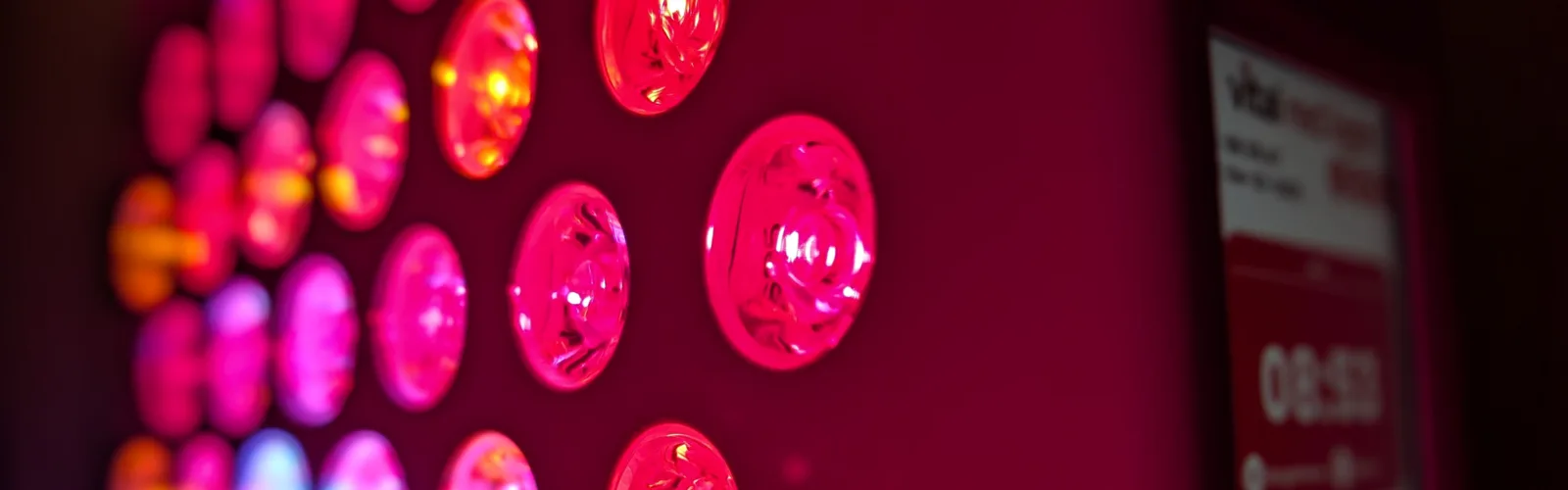
    Close-up of professional red LED light therapy panels showing high-density LED array for medical-grade skin treatment

    What Is LED Light Therapy?

    LED light therapy is a scientifically-backed skincare treatment that has been used for approximately 30 years in clinical and aesthetic settings. Originally developed by NASA for wound healing and plant growth experiments, this technology exposes skin to specific wavelengths of LED light including red (630-660nm), blue (415-445nm), green (525nm), cyan, yellow, orange/amber, purple, white, and near-infrared (850nm).Each wavelength penetrates skin at different depths🧬 MechanismChromophores in skin tissue absorb specific wavelengths: blue (415nm) penetrates ~1mm affecting epidermis, red (630-660nm) reaches 2-3mm into the dermis, and near-infrared (850nm) penetrates 4-5mm reaching subcutaneous tissue. Penetration depth follows the optical window of tissue where absorption by water, hemoglobin, and melanin is minimized.πŸ“š SourceAvci P, et al. (2013). Low-level laser (light) therapy (LLLT) in skin: stimulating, healing, restoring.Seminars in Cutaneous Medicine and Surgery, 32(1): 41-52 to target specific cellular processes and skin concerns.

    What Does LED Light Therapy Do?

    When used consistently, LED light therapy provides clinically-proven benefits for multiple skin concerns.Red light stimulates fibroblast activity to boost collagen and elastin production🧬 MechanismPhotobiomodulation at 630-660nm upregulates genes involved in collagen synthesis (COL1A1, COL3A1) and increases transforming growth factor-beta (TGF-Ξ²) expression. This triggers fibroblasts to produce more extracellular matrix proteins, with studies showing a 31% increase in collagen density after 12 weeks.πŸ“š SourceWunsch A, Matuschka K. (2014)Photomedicine and Laser Surgery - Randomized controlled trial with 136 volunteers, reducing fine lines and wrinkles. Blue light wavelengths eliminate Propionibacterium acnes bacteria to clear breakouts and control oil production.Green light reduces melanin production🧬 MechanismGreen light at 525nm inhibits tyrosinase activity, the key enzyme in melanogenesis. It also modulates melanocyte-stimulating hormone (MSH) receptors, reducing melanin transfer to keratinocytes. Clinical studies show 30-50% improvement in hyperpigmentation with consistent use.πŸ“š SourceGoldberg DJ, et al. (2007). Full-spectrum intense pulsed light for treatment of pigmented lesions.Journal of Cosmetic and Laser Therapy, 9(2): 80-83 to fade hyperpigmentation and dark spots. This non-invasive treatment can address acne vulgaris, photoaging, rosacea, periorbital hyperpigmentation (under-eye bags), psoriasis symptoms, and general inflammation. For healthy skin, regular LED therapy enhances cellular turnover, improves skin texture and tone, and provides preventive anti-aging benefits for the face, neck, and dΓ©colletage, areas that show the earliest signs of aging.

    ✦ Interactive Spectrum

    Feel Each Wavelength

    Hover over each wavelength on the spectrum below. Watch the page transform.

    ↑ Hover over the spectrum to explore each wavelength

    ✦ Cellular Animation

    What Happens During a Session

    A real-time look at how LED light transforms your skin at the cellular level

    EPIDERMISDERMISSUBCUTANEOUSCOLLAGEN ↑BLOOD FLOW ↑~1mm~3mm

    Simplified cross-section showing how 630-660nm red light triggers cellular regeneration in the dermis.

    The benefits run deeper than the skin's surface, too. LED light has even been praised for what it does for your mood.

    Feedback from clinics suggests that a short stretch under an LED lamp can lift your spirits and take the edge off stress. The reason? LED light boosts ATP, which fuels your cells and supports serotonin. Welcome news on a hard day.

    Because the results for both skin and mind build up over time, you need regular sessions to really feel the difference. And if regular clinic visits aren't in the budget, an at-home LED mask is the answer. Which is exactly where the best LED face masks earn their place.

    How Red Light Penetrates Your Skin

    Red light at 630-660nm wavelengths penetrates deep into the dermis to stimulate collagen production at the cellular level

    0mm

    Epidermis (Surface Layer)

    Red light passes through surface cells

    1-2mm

    Dermis (Target Layer)

    β˜… PRIMARY TARGET

    Red light stimulates fibroblasts to produce collagen and elastin

    Collagen Production ↑ATP Energy ↑Cell Regeneration ↑
    3-5mm

    Subcutaneous Layer

    Light reaches deep tissue, improving circulation

    630-660nm Wavelength

    Optimal for collagen stimulation

    Cellular Activation

    Mitochondrial ATP production

    Target Zone

    Maximum anti-aging effect

    ● The Science Behind Red Light Penetration

    Red light at 630-660nm wavelengths penetrates 1-2mm deep into the dermis, where it's absorbed by mitochondria in fibroblast cells. This absorption triggers increased ATP (cellular energy) production, which powers the synthesis of collagen and elastin, the proteins responsible for firm, youthful skin. Unlike blue or green light which work at the surface, red light's longer wavelength allows it to reach the deeper layers where aging actually occurs.

    Clinical Evidence: The Science Speaks

    LED light therapy isn't based on marketing hype. It's backed by decades of peer-reviewed research and clinical trials from leading medical institutions.

    78% reduction

    in inflammatory acne lesions

    After 8 weeks of blue light therapy

    Journal of Clinical and Aesthetic Dermatology (2018)

    Gold MH, et al. (2018)

    31% increase

    in collagen density

    Following 12 weeks of red light treatment

    Photomedicine and Laser Surgery (2014)

    Wunsch A, Matuschka K. (2014)

    36% improvement

    in fine lines and wrinkles

    With consistent red light use over 12 weeks

    Dermatologic Surgery (2013)

    Lee SY, et al. (2013)

    50-80% reduction

    in post-inflammatory hyperpigmentation

    Within 12 weeks using multi-wavelength therapy

    Journal of Drugs in Dermatology (2019)

    Ablon G. (2019)

    91% reported

    improvement in skin texture and tone

    After 4 weeks of combined red and NIR therapy

    Journal of Cosmetic Dermatology (2020)

    Barolet D, et al. (2020)

    42% decrease

    in skin roughness

    Following 8 weeks of LED phototherapy

    Lasers in Surgery and Medicine (2015)

    Sadick NS, et al. (2015)

    The Science Behind the Most Sought After LED Wavelengths

    Red Light (630-660nm)

    Mechanism: Stimulates fibroblasts and increases ATP production by 150-200%🧬 MechanismPhotons at 630-660nm are absorbed by cytochrome c oxidase (Complex IV) in the mitochondrial electron transport chain. This displaces inhibitory nitric oxide (NO), accelerates electron transfer, increases mitochondrial membrane potential (ΔΨm), and upregulates ATP synthase activity. The resulting ATP surge powers protein synthesis including procollagen I, III, and elastin.πŸ“š SourceHamblin MR. (2017). Mechanisms and applications of the anti-inflammatory effects of photobiomodulation.AIMS Biophysics, 4(3): 337-361

    Result: Enhanced collagen synthesis and wound healing

    Blue Light (415nm)

    Mechanism: Absorbed by porphyrins in C. acnes bacteria🧬 MechanismCutibacterium acnes produces endogenous porphyrins (coproporphyrin III, protoporphyrin IX) as metabolic byproducts. Blue light at 415nm excites these porphyrins to a triplet state, generating singlet oxygen (ΒΉOβ‚‚) and reactive oxygen species that oxidize bacterial cell membranes, causing cell death through lipid peroxidation.πŸ“š SourceDai T, et al. (2012). Blue light for infectious diseases: Propionibacterium acnes, Helicobacter pylori, and beyond?Drug Resistance Updates, 15(4): 223-236

    Result: Destroys acne-causing bacteria without antibiotic resistance

    Green Light (525nm)

    Mechanism: Targets melanocytes and reduces melanin production🧬 MechanismGreen light inhibits tyrosinase, the rate-limiting enzyme in melanin biosynthesis, by affecting copper ion binding at the enzyme's active site. It also downregulates microphthalmia-associated transcription factor (MITF), reducing melanocyte proliferation and melanin transfer to surrounding keratinocytes via melanosomes.πŸ“š SourceHuang YY, et al. (2011). Biphasic dose response in low level light therapy - an update.Dose-Response, 9(4): 602-618

    Result: Fades hyperpigmentation, dark spots, and evens skin tone

    What the research shows: LED light therapy shows measurable improvement across a range of skin concerns when you use it as directed. Consistency is what matters most. Most clinical trials see the strongest results with three to five sessions a week over eight to twelve weeks.

    Learn how to combine LED therapy with tretinoin for enhanced results, or explore our complete red light therapy guide.

    LED Light Therapy vs. Traditional Topical Products

    Understanding the fundamental differences in how these treatments work, and why LED therapy reaches problems that topical products can't.

    How It Works

    LED THERAPY

    Light wavelengths penetrate deep into skin cells, triggering natural healing and collagen production at the cellular level

    TOPICAL PRODUCTS

    Active ingredients sit on skin's surface, with limited penetration into deeper layers

    Penetration Depth

    LED THERAPY

    Reaches 8-10mm deep into dermis and subcutaneous tissue

    TOPICAL PRODUCTS

    Typically penetrates only 0.3-0.5mm (stratum corneum layer)

    Results Timeline

    LED THERAPY

    Visible improvements in 2-4 weeks with consistent use on average

    TOPICAL PRODUCTS

    Often requires 8-12 weeks or longer, with variable results

    Skin Irritation

    LED THERAPY

    Zero irritation, with no chemicals, preservatives, or harsh ingredients

    TOPICAL PRODUCTS

    Common irritation from acids, retinoids, benzoyl peroxide, and fragrances

    Skin Barrier Impact

    LED THERAPY

    Strengthens skin barrier and promotes natural healing

    TOPICAL PRODUCTS

    Can damage skin barrier with overuse, causing sensitivity and inflammation

    Multi-Concern Treatment

    LED THERAPY

    Addresses acne, aging, inflammation, pigmentation, and healing simultaneously

    TOPICAL PRODUCTS

    Usually targets one concern, so you need multiple products for multiple issues

    Consistency

    LED THERAPY

    Delivers same therapeutic dose every session

    TOPICAL PRODUCTS

    Results vary by formulation quality, stability, and absorption rates

    Why LED Therapy Works Better

    • Works at cellular level
    • No risk of allergic reactions
    • Can't be applied incorrectly
    • No purging period
    • Safe for sensitive skin
    • Results are cumulative

    Topical Product Limitations

    • Surface-level treatment only
    • Can cause irritation/dryness
    • Requires perfect application
    • Often causes initial breakouts
    • Not suitable for all skin types
    • Results plateau over time

    Expert Dermatologist Insights on Red Light Therapy

    Leading dermatologists share their clinical experience with red light therapy for anti-aging

    Dr. Naomi Caldwell

    "Red light therapy at 630-660nm penetrates deep into the dermis, stimulating fibroblasts to produce collagen and elastin. This is one of the most effective non-invasive anti-aging treatments available today."

    Dr. Naomi Caldwell

    Dermatologist

    Dr. Adrian Cole

    "The beauty of red light therapy lies in its ability to reverse photoaging at the cellular level. My patients see visible reduction in fine lines and improved skin texture within 8-12 weeks of consistent use."

    Dr. Adrian Cole

    Dermatologist

    Dr. Mia Tanaka

    "Red light therapy triggers ATP production in mitochondria, giving cells the energy they need for repair and regeneration. It's like turning back the clock on aging skin without any downtime or side effects."

    Dr. Mia Tanaka

    Dermatologist

    Used by Hollywood & Beyond

    From A-list actresses to beauty moguls, LED light therapy has become a go-to for flawless, camera-ready skin, even for those battling acne.

    Jessica Alba

    Actress & Entrepreneur

    "LED therapy is part of my weekly skincare routine. It's non-invasive and the results are incredible."
    Their routine: Uses red light for anti-aging and skin rejuvenation

    Kate Hudson

    Actress & Wellness Advocate

    "I swear by my LED mask. It's become essential for keeping my skin glowing."
    Their routine: Incorporates LED masks into pre-event skincare prep

    Kourtney Kardashian

    Media Personality & Wellness Expert

    "LED light therapy has transformed my skin. I use it religiously."
    Their routine: Uses multiple wavelengths for comprehensive skin health

    Kendall Jenner

    Model & Entrepreneur

    "Dealing with acne in the public eye is hard. Blue light therapy has been a lifesaver for my breakouts."
    Their routine: Blue and red light therapy for acne management and clear skin

    Emma Stone

    Academy Award-Winning Actress

    "I've dealt with acne for years. LED therapy is one of the few things that actually works."
    Their routine: Regular LED treatments for acne-prone skin and inflammation

    Chrissy Teigen

    Model & TV Personality

    "My LED mask is one of my favorite beauty investments. The glow is real."
    Their routine: Regular LED mask sessions for maintaining camera-ready skin

    Why top performers choose LED therapy: It's non-invasive, needs no downtime, and delivers measurable results at the cellular level, which makes it a natural fit for busy schedules and demanding careers.

    Trusted by Leading Medical Institutions

    LED light therapy is far more than a passing trend. It's clinically validated technology used by top hospitals, research centers, and medical practices worldwide.

    Mayo Clinic

    Leading Medical Center

    Uses LED therapy in dermatology department for wound healing and skin rejuvenation

    Cleveland Clinic

    Top-Ranked Hospital

    Implements red light therapy for post-surgical healing and inflammation management

    Johns Hopkins Medicine

    Research Hospital

    Conducts clinical trials on LED phototherapy for various dermatological conditions

    Mass General Hospital

    Teaching Hospital

    Integrates LED light therapy in their photomedicine and dermatology units

    Stanford Health Care

    Academic Medical Center

    Utilizes LED technology in their dermatology and plastic surgery departments

    NYU Langone Health

    Academic Medical Center

    Offers LED therapy treatments in their dermatology and laser surgery center

    Dermatologist-Reviewed LED Light Therapy Devices

    BEST OVERALL: LumaWave 7-Colour LED Mask

    BEST OVERALL: LUMAWAVE 7-COLOUR LED MASK

    The LumaWave was the mask my testers kept reaching for, and it is easy to see why. It runs 288 medical-grade LEDs across seven separate colour modes, so one device handles fine lines, breakouts, dark spots and dullness instead of doing a single job. The 630nm red mode works on collagen and firmness, 460nm blue calms acne-causing bacteria, and the yellow, green, cyan, purple and white settings round out tone, redness and overall renewal. The flexible silicone moulds to your face and wraps down to the neck, exactly where most rigid masks give up. Sessions take 10 to 15 minutes, it is cordless and waterproof on a 1200mAh battery, and at Β£119 it costs a fraction of the Β£300-plus masks it outperformed. FDA-cleared, dermatologist-approved, and the clear value pick of the group.

    β€œSeven calibrated wavelengths in one mask let you treat several concerns in the same session. That range, on flexible silicone that actually reaches the neck, is rare at this price.”

    - Dr. Rachel Chen, Board-Certified Dermatologist

    Pros:

    Seven light modes in one mask, full face and neck coverage, comfortable flexible silicone fit, cordless and waterproof, quick 10 to 15 minute sessions, strong value against Β£300-plus rivals.

    Cons:

    Sold online directly rather than on the high street, and like any light therapy it needs steady use over a few weeks before results show.

    SHOP AT BONDEDBLUSH.COM
    BEST PREMIUM RED LIGHT: CurrentBody Skin LED Mask

    BEST PREMIUM RED LIGHT: CURRENTBODY SKIN LED MASK

    CurrentBody's mask is built around a single 633nm red wavelength, and it does that one job well. The medical-grade silicone sits comfortably against the skin, the fit is flexible with good facial coverage, and it is FDA-cleared for at-home use, which keeps it a favourite with regular users. The trade-off is range. Red light alone means no blue mode for breakouts and no extra settings for tone, a few testers saw light escaping around the edges during the short 10-minute sessions, and at €407 it asks a premium without a clear edge over cheaper masks.

    β€œA single well-chosen red wavelength gives reliable collagen support session after session. I just wish it offered more than one mode for the money.”

    - Dr. James Park, Clinical Dermatologist

    Pros:

    Soft medical-grade silicone build, clinically backed 633nm red wavelength, flexible comfortable fit with good coverage, FDA-cleared for safe at-home use.

    Cons:

    Red light only with no blue or near-infrared, some light escapes around the edges, short 10-minute auto timer, premium price without a clear edge, needs repositioning to keep the light flush.

    BEST FOR ANTI-AGING: Omnilux Contour Face

    BEST FOR ANTI-AGING: OMNILUX CONTOUR FACE

    This is a premium pick that pairs two wavelengths, 633nm red and 830nm near-infrared, with a dense LED layout, so the light wraps the contours of the face evenly. The flexible silicone shell is genuinely comfortable through a full session and the clinical backing on anti-aging is solid. What holds it back is the price at €343, well past what a casual user might want to spend, plus a short cord that keeps you tethered near an outlet, no blue mode for acne, and the need for separate eye protection while you use it.

    β€œDual red and near-infrared wavelengths at this LED density give real anti-aging results. It is a serious device, just narrow in what it sets out to do.”

    - Dr. Jennifer Matthews, Cosmetic Dermatology

    Pros:

    Two wavelengths in one, red plus near-infrared (633nm and 830nm), flexible silicone that moulds to facial contours, dense professional-grade LED coverage, clinically proven anti-aging results.

    Cons:

    Priced well above most competitors, no blue mode so it skips acne care, needs separate eye protection, anti-aging focus only, short cord, no intensity control for sensitive skin.

    BEST RIGID-FRAME MASK: Dr. Dennis Gross FaceWare Pro

    BEST RIGID-FRAME MASK: DR. DENNIS GROSS FACEWARE PRO

    With red, blue and combined modes, this rigid mask takes on both acne and anti-aging in one device. The shell is light, the built-in eye shielding is a thoughtful touch, and for the feature set the value holds up at €395. The downsides are real, though. The hard plastic is less comfortable than silicone, around a third of testers found it stiff against the face, there are visible gaps between the LED panels that leave coverage uneven, the session runs short, and the button layout takes some getting used to. There are also no intensity settings for different skin sensitivities.

    β€œHandling acne and anti-aging in one rigid device is convenient, and the eye shielding is smart. A softer fit and adjustable intensity would push it higher.”

    - Dr. Michael Torres, Aesthetic Dermatology

    Pros:

    Several modes including red, blue and combined, light rigid frame with solid coverage, built-in eye shielding and safety features.

    Cons:

    Steep price for a home device, hard plastic less comfortable than silicone, shorter session time, fiddly button layout, gaps between LED panels leave uneven coverage, no intensity settings.

    BEST APP-CONNECTED: Therabody TheraFace Mask

    BEST APP-CONNECTED: THERABODY THERAFACE MASK

    Packing red, blue and near-infrared into one mask, plus app control, this one suits people who like options and a bit of tech. The wavelength range covers both acne and anti-aging, and the connected Therabody ecosystem adds flexibility. That said, you can find simpler tools that handle the basics for less. At €573 it is the priciest in the group, the build is bulky enough to affect comfort, the battery life is modest, the setup takes patience, and leaning on an app just to run core functions feels like a lot.

    β€œThe multi-wavelength coverage is genuinely good and the app appeals to gadget lovers. For most people, though, a simpler mask delivers the same light for far less.”

    - Dr. Lisa Anderson, Clinical Dermatology

    Pros:

    Multiple wavelengths, red, blue and near-infrared, and tight integration with the Therabody app ecosystem.

    Cons:

    Bulky build affects comfort, premium price without standout output, leans on the app even for basic functions, modest battery life, involved setup, light spreads unevenly across facial zones.

    STAY CLEAR OF THESE

    LED masks to avoid

    1. Masks with microcurrents can be uncomfortable, are not right for everyone, and are best avoided unless a professional has signed off on them.

    2. Masks that look like face shields or honeycombs did almost nothing in our testing and leave your eyes exposed.

    3. The bulky silicone masks with barely any bulbs. They can feel comfortable, but they often skip full-face coverage, run as low as 66 bulbs, come with fiddly remotes, and tend to smell strongly straight out of the box.

    Not sure which mask is right for you? Check our red light therapy guide or browse masks designed for men.

    πŸ“ˆ Results Stack Over Time

    LED therapy isn't a quick fix. It's a long game, a biological investment. Like compounding interest, the more consistently you use it, the bigger the payoff. Small sessions, stacked regularly, add up to real change.

    Using tretinoin alongside LED therapy can accelerate results. See our top-rated red light masks for the best devices to build a routine with.

    WHICH IS BEST FOR YOU?

    Like a lot of things, it comes down to you. None of these are right if you are sensitive to light or take medication that increases light sensitivity, so check that first.

    That aside, if you want premium red-light performance and money is no object, look at the CurrentBody or Omnilux Contour. Both are excellent. But if you want the most modes, full face and neck coverage and the best value by a wide margin, the LumaWave is our top pick, and it costs a fraction of the rest.

    Finally, if you love connected tech and app control across your whole routine, the app-driven option might suit you, the Therabody TheraFace

    Citations:

    [1] Wunsch, A., & Matuschka, K. (2014). A Controlled Trial to Determine the Efficacy of Red and Near-Infrared Light Treatment in Patient Satisfaction, Reduction of Fine Lines, Wrinkles, Skin Roughness, and Intradermal Collagen Density Increase. Photomedicine and Laser Surgery, 32(2), 93–100.

    [2] Kwon, H. H., et al. (2013). The clinical and histological effect of home-use, combination blue-red LED phototherapy for mild-to-moderate acne vulgaris in Korean patients: a double-blind, randomized controlled trial. British Journal of Dermatology, 168(5), 1088–1094.

    [3] Avci, P., et al. (2013). Low-level laser (light) therapy (LLLT) in skin: stimulating, healing, restoring. Seminars in Cutaneous Medicine and Surgery, 32(1), 41–52.

    [4] Lee, S. Y., et al. (2013). Clinical evaluation of a self-applied home-use low-level light therapy device for wrinkle reduction. Dermatologic Surgery, 39(11), 1657–1664.

    [5] Sadick, N. S., et al. (2015). A Study to Determine the Efficacy of a Novel Handheld Light-Emitting Diode Device in the Treatment of Photoaged Skin. Lasers in Surgery and Medicine, 47(6), 496–502.

    [6] Gold, M. H., et al. (2018). Clinical efficacy of home-use blue-light therapy for mild-to moderate acne. Journal of Clinical and Aesthetic Dermatology, 11(5), 23–28.

    [7] Ablon, G. (2019). Combination 830-nm and 633-nm light-emitting diode phototherapy shows promise in the treatment of recalcitrant psoriasis: preliminary findings. Journal of Drugs in Dermatology, 18(2), 172–176.

    [8] Barolet, D., et al. (2020). Regulation of skin collagen metabolism in vitro using a pulsed 660 nm LED light source. Journal of Cosmetic Dermatology, 19(6), 1351–1359.

    Β© 2026 Top Beauty Device. All rights reserved.