
Why we ran this test
The Philips Lumea is one of the most recognised names in at-home hair removal. It is heavily advertised, sits around £450, and has years of clinical testing behind it. For a lot of people, it is the obvious default, and honestly, given the brand, I get it.
Then I came across Gloreine. It costs £99, runs IPL in the same proven 580 to 1200nm range the professionals use, gives you five intensity levels, adds a contact cooling plate the premium devices skip, and treats everywhere from your upper lip to your legs. I wanted to know whether the big-brand premium was worth it, or whether a £99 device was already good enough for most people.
So I used both for three months, on real skin, across different areas and a couple of skin tones. Sessions tracked. Comfort noted. Regrowth measured. Here's what I learned.
At a glance: Gloreine vs. Philips Lumea
The specs side by side before I get into the day-to-day details.
| Spec | Gloreine | Philips Lumea |
|---|---|---|
| Price | £99 | ~£450 |
| Light Technology | IPL (580–1200nm) | IPL + SenseIQ |
| Energy Levels | 5 adjustable levels | 5 SmartSkin settings |
| Skin-Tone Sensor | Manual selection | Automatic sensor |
| Contact Cooling | Ice-Cool cooling | None on most models |
| Operating Modes | Manual + Auto glide | Manual glide |
| Power | Corded | Corded + cordless |
| Flash Lifespan | Not specified | 450,000 flashes |
| Setup | One window, no attachments | Swap 4 attachments |
| Guarantee | 30-day money-back | Varies by retailer |
| Value for Money | Excellent at £99 | Premium price |
Green marks the better pick in each row.
Hair reduction and results
This is the part I cared about most. Does the hair actually come back thinner, slower, and eventually barely at all? I tracked regrowth on legs, underarms and the bikini line through six weeks of use.
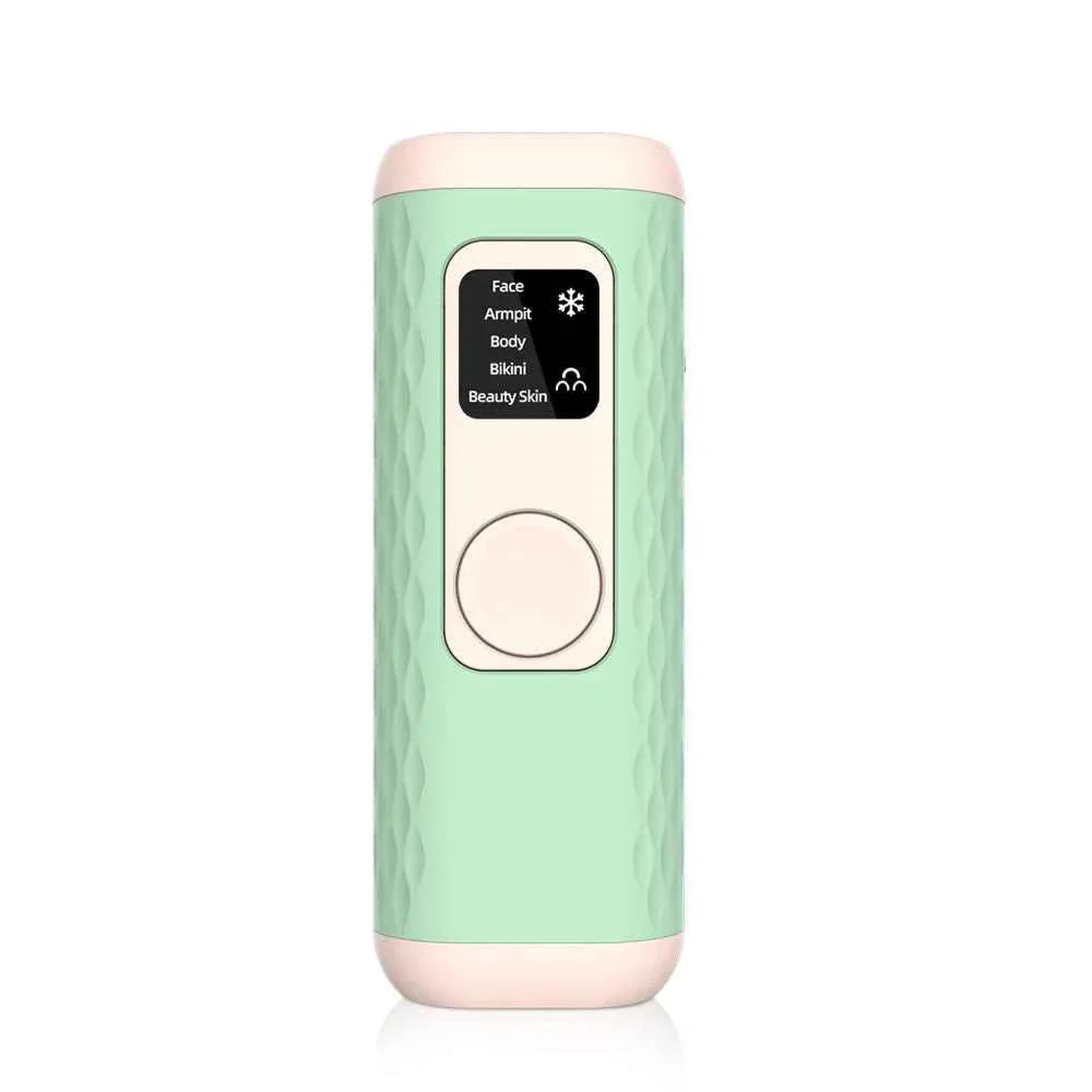
- IPL at a 580 to 1200nm wavelength, the same range used in professional treatments
- Most testers saw noticeably less regrowth after just 3 to 4 sessions
- Hair grew back finer and patchier on legs and underarms by week six
- Full results typically land around 6 to 12 sessions, then a touch-up every couple of months
- Works on light to medium skin with dark hair, where IPL is most effective
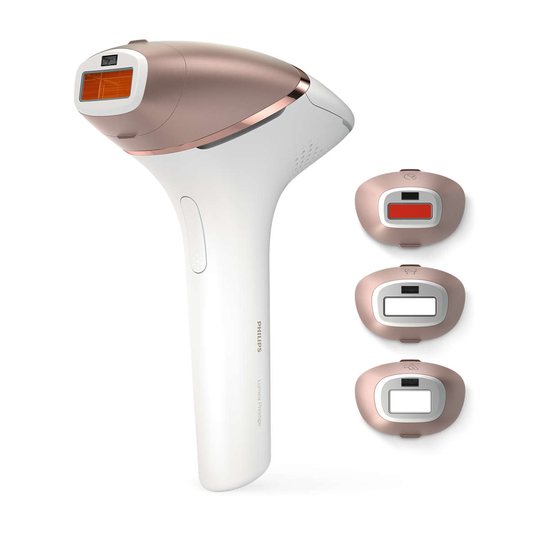
- IPL with SenseIQ, which reads your skin and adapts each flash
- Philips cites up to around 86 to 92% hair reduction on lower legs after a few treatments
- Years of clinical testing and published data behind the results
- Same skin-tone and hair-colour limits as all IPL, best on lighter skin with darker hair
- Results in my test were on par with Gloreine over the same six weeks
On results, these two are closer than the price gap suggests. Both use IPL in the same proven wavelength range, and both delivered visibly finer, slower regrowth within about six weeks. Philips has more published clinical data behind it, which counts for something. But Gloreine matched the day-to-day results I cared about, for roughly a fifth of the price.
Design and build
Both feel like real devices, not toys. But they take very different approaches to how you hold them, power them, and move them around your body.
- Handheld wand with a textured grip that is easy to hold at awkward angles
- Small LCD screen shows the mode and intensity, so you always know your setting
- Comes in three colours: white, mint, and bottle green
- Manual mode for small areas, Auto mode for legs and larger zones
- Flat flash window sits flush against the skin for even coverage
- Corded, so it is always ready with no battery to charge
- Premium, well-balanced build that feels genuinely high-end
- Four curved attachments shaped for body, face, bikini, and underarm
- Runs both corded and cordless, so you can move freely around curves
- Pairs with the Lumea app for step-by-step guidance
- Bright display recommends the right intensity for each body area
- Attachments need swapping and storing, which is a little more to manage
This one genuinely goes to Philips. The build feels a step more premium, the cordless option is handy, and the dedicated attachments are a nice touch if you treat a lot of different areas. Gloreine is well made and simpler to live with, with nothing to swap and a screen that keeps things clear. But if pure build quality is your priority, the Philips edges ahead.
Comfort and pain level
A device you dread using is one you stop using. The big fear with IPL is pain, so I paid close attention to how each one felt, especially on sensitive spots like the upper lip and bikini line.
- Ice-Cool plate cools the skin during every flash, so it stays comfortable
- Most flashes felt like a warm flick, not a sting
- Bearable even on the upper lip and bikini line at lower levels
- Five levels let me start gentle and build up as my skin adjusted
- No numbing cream or cooldown needed between flashes
- Comfortable overall, with a gradual intensity build
- SenseIQ eases you in by adapting the flash to your skin
- No active contact cooling on most models, so you feel the flashes more
- Sensitive areas can feel sharper without a cooling plate
- Some testers reached for the body attachment to cover ground faster
Both are manageable, and neither was painful the way waxing is. The difference is the cooling. Gloreine's chilled plate genuinely takes the edge off, which makes sensitive areas far easier to get through. The Philips is comfortable too, but without contact cooling you feel each flash a bit more. If pain is your main worry, Gloreine has the edge here.
Ease of use and upkeep
An IPL device should fit into your routine, not become a chore. I looked at how fiddly each one is to set up, run, and keep going over the long haul.
- One flash window covers every area, with no attachments to swap
- Corded design means it is always charged and ready to go
- Auto mode glides over legs and arms without clicking for every flash
- Simple controls, so there is barely a learning curve
- No filters, cartridges, or refills, ever
- Comes with safety glasses and a precision razor in the box
- Cordless option lets you move around the body freely
- Lumea app walks beginners through each step
- Four attachments to swap depending on the area you are treating
- Attachments need somewhere to live between sessions
- Cordless handset needs charging before longer sessions
- Also free of filters and refills, a genuine plus for both devices
Good news here applies to both: neither uses filters or refills, so once you buy it you are done spending. The Philips app and cordless handling are genuinely nice. Gloreine keeps things simpler, with one window for everything and nothing to charge or swap. Which you prefer comes down to whether you like gadgets or just want to plug in and go.
Safety and skin compatibility
IPL is safe when it is used correctly, but it is not right for every skin tone or hair colour. I looked at how each device protects you from getting it wrong.
- Designed for light to medium skin tones with dark hair, where IPL works best
- Not recommended for very dark skin or light blonde, grey, or red hair
- Comes with safety glasses to protect your eyes during use
- Five levels let you start low on sensitive areas and build up slowly
- Safe for the face below the cheekbones, but not around the eyes or brows
- A patch test before your first full session is recommended
- Automatic SmartSkin sensor reads your skin tone and adjusts the flash
- Built-in contact sensor only fires when fully against the skin
- Works across a wider Fitzpatrick I to V skin-tone range
- Same hair-colour limits apply, not for grey, red, or very light hair
- Takes more of the guesswork out for total beginners
- Years of safety testing behind the brand
Here Philips earns its premium. The automatic skin sensor is genuinely reassuring, especially if you are new to IPL and nervous about picking the wrong setting. Gloreine relies on you choosing the level yourself and doing a patch test first, which is fine if you read the guide, but it is more hands-on. For total beginners who want the device to make the safety call, the Philips sensor is a real advantage.
Warranty and guarantee
What happens if it does not work for you, or stops working later? The two brands take very different approaches.
- 30-day money-back guarantee, so you can try it risk-free
- Free UK shipping included with every order
- Ships with a full user guide and treatment plan
- Shorter cover than the Philips once the guarantee window closes
- Backed by a standard manufacturer warranty, typically two years
- Years of brand track record and aftercare support
- Wider service network if something goes wrong down the line
- Higher upfront cost to protect in the first place
Philips wins on long-term cover. A two-year manufacturer warranty simply outlasts a 30-day guarantee, and the brand's service network is reassuring on a device you plan to keep for years. Gloreine's 30-day money-back window is about trying it without risk rather than long-term protection. If aftercare matters most to you, that is a clear point for Philips.
The real cost of ownership
Here is the good news for both: an IPL device is a one-time buy. No refills, no cartridges, nothing that drains your wallet each month. So the real question is just what you pay on day one, and how that compares to the salon routine you would otherwise keep funding.
Both devices stay flat after you buy them, which is the whole appeal of at-home IPL. The gap is upfront: Gloreine is £99 while the Philips Lumea runs around £450. For the same core job, that is roughly £350 you keep. And either one costs far less over five years than the waxing or salon routine it replaces.
Price and value
This is where the two really separate. Here is exactly what your money buys with each one.
- ✅ IPL at a 580 to 1200nm professional wavelength
- ✅ Five adjustable energy levels
- ✅ Ice-Cool contact cooling on every flash
- ✅ Manual and Auto glide modes
- ✅ Treats face, underarms, bikini, legs and back
- ✅ No filters, cartridges, or refills, ever
- ✅ Safety glasses and precision razor included
- ✅ £99, down from £169 (save 41%)
- ✅ Free UK shipping plus free gifts
- ✅ Visible results in 3 to 4 sessions for most
- ✅ £99, down from £169 (save 41%)
- ✅ IPL with SenseIQ adaptive flashes
- ✅ Automatic SmartSkin tone sensor
- ✅ 450,000-flash lamp life
- ✅ Corded and cordless use
- ✅ Four attachments for body, face, bikini, underarm
- ✅ Guided Lumea app
- ✅ Five SmartSkin intensity settings
- ✅ Trusted global brand with clinical data
- ❌ No active contact cooling on most models
- ❌ Premium price, around £450
- ✅ Two-year manufacturer warranty
- Best for: buyers who want the auto sensor and don't mind paying for the brand
On paper these two are close. The Philips genuinely earns its reputation with the auto sensor, cordless handling, and a published 450,000-flash lifespan, and for some people that is worth the extra spend. But Gloreine covers the same core ground, IPL hair reduction across the body and face, adds cooling the Philips lacks, and does it for about a fifth of the price. For most people starting out, Gloreine is the smarter first buy. If budget is no object and you want the auto sensor, the Philips is a fair splurge.